
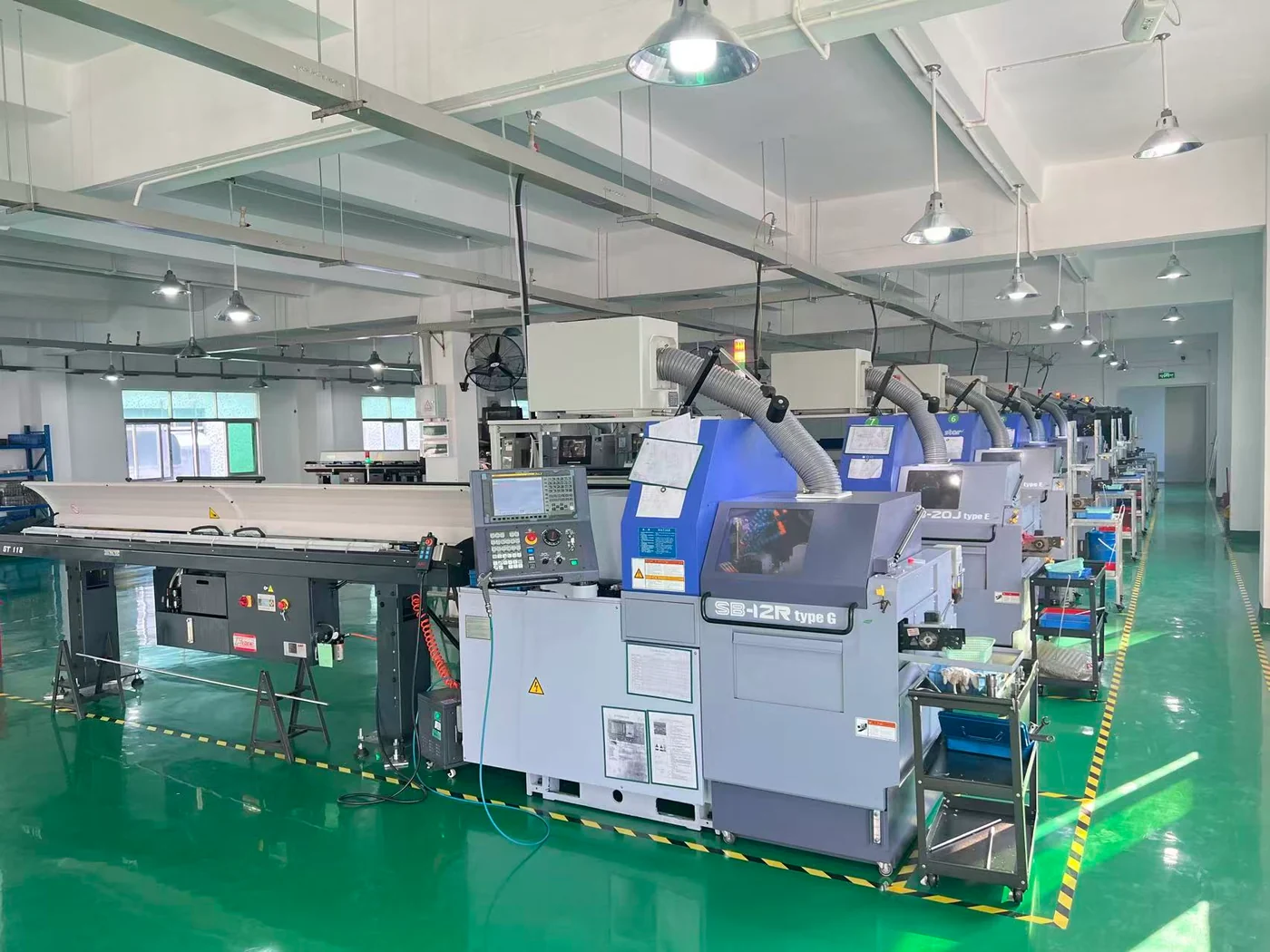
The starting question: what rotates?
In milling, a rotating cutter removes material from a clamped workpiece. In turning, the workpiece rotates and a cutting tool feeds along it. This difference helps explain why the two processes naturally suit different shapes.
Compare common features
Use the comparison below as a first look at the geometry. It is not a rule that every part must follow: the complete drawing determines the practical manufacturing route.
| Feature | Milling | Turning |
|---|---|---|
| Main cutting motion | Rotating cutter | Rotating workpiece |
| Typical geometry | Faces, pockets and slots | Diameters and shoulders |
| Example parts | Brackets and housings | Shafts and sleeves |
When a part needs both processes
A round shaft may also have a flat face for a wrench or a slot for another component. The round features can be turned and the other features milled. A mill-turn machine can combine suitable operations; separate machines may also be used.
Two questions to ask about your own part
First, which surfaces locate the component when it is assembled? Second, which features must line up with a mating part? For example, a sleeve’s outside diameter may fit a support, while a side hole must point toward a fastener. Both requirements belong on the drawing, even if different operations make them.
Let the drawing guide the process
You do not need to choose a machine before asking SANHE for a quotation. Send the model, drawing and intended use. We can review the machining route around the dimensions and interfaces that matter to the assembly.