
Precision moulds
From design to moulded parts
Mould design, CNC and EDM machining, assembly, trial moulding and production support.
Request a Mould Quote ↗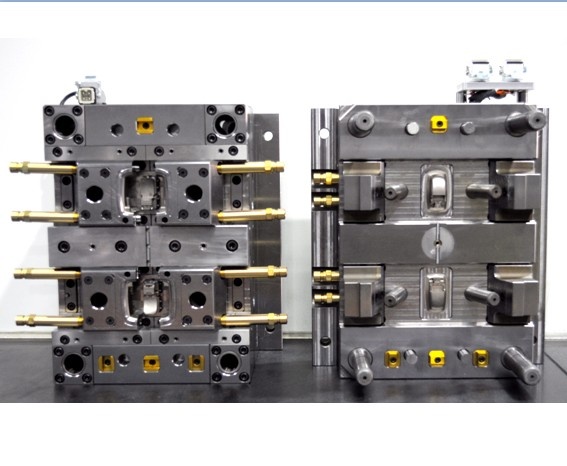
Injection moulds, built around the part
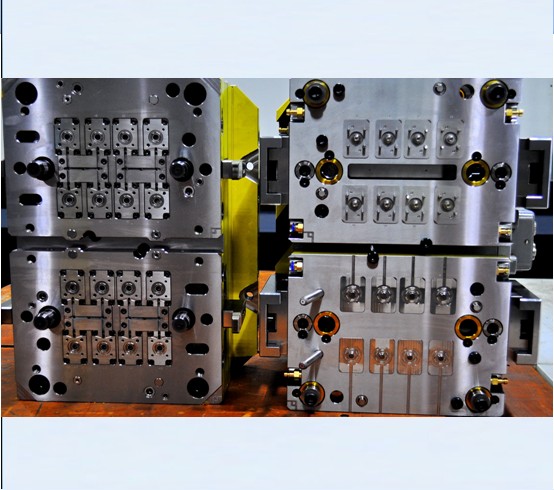
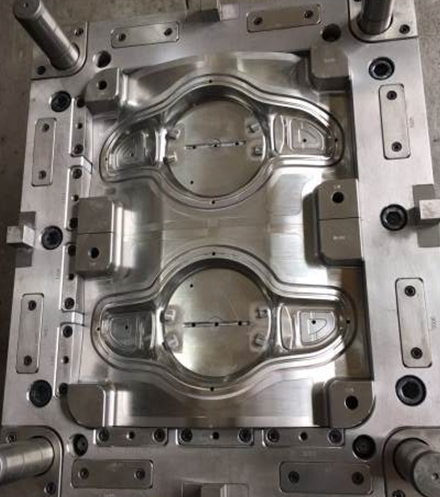
Single- and multi-cavity tools, inserts and moulded samples show the relationship between tool design and the finished part.
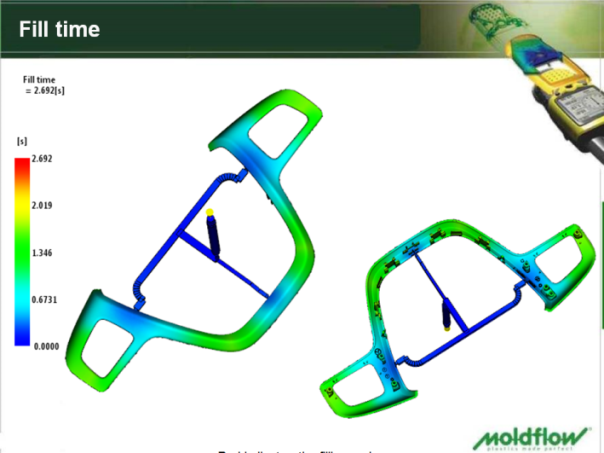
Mould design and flow analysis
Review the parting line, gate, runner, cooling layout and ejection before committing to steel.
- 01
Part review
Check wall thickness, draft, undercuts and cosmetic faces.
- 02
Mould structure
Define cavities, inserts, slides, cooling and access for maintenance.
- 03
Flow assessment
Review filling, weld lines, air traps and deformation to guide design changes.
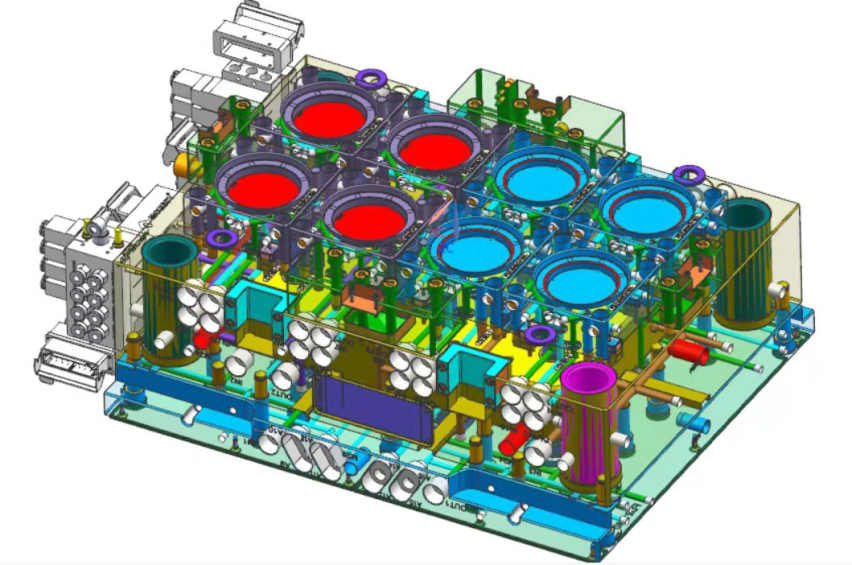
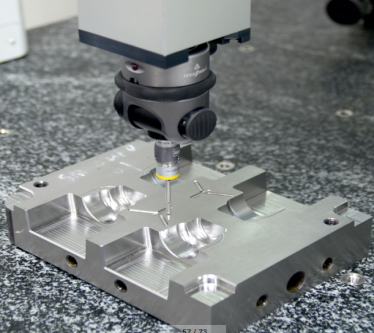
Machining, EDM and assembly
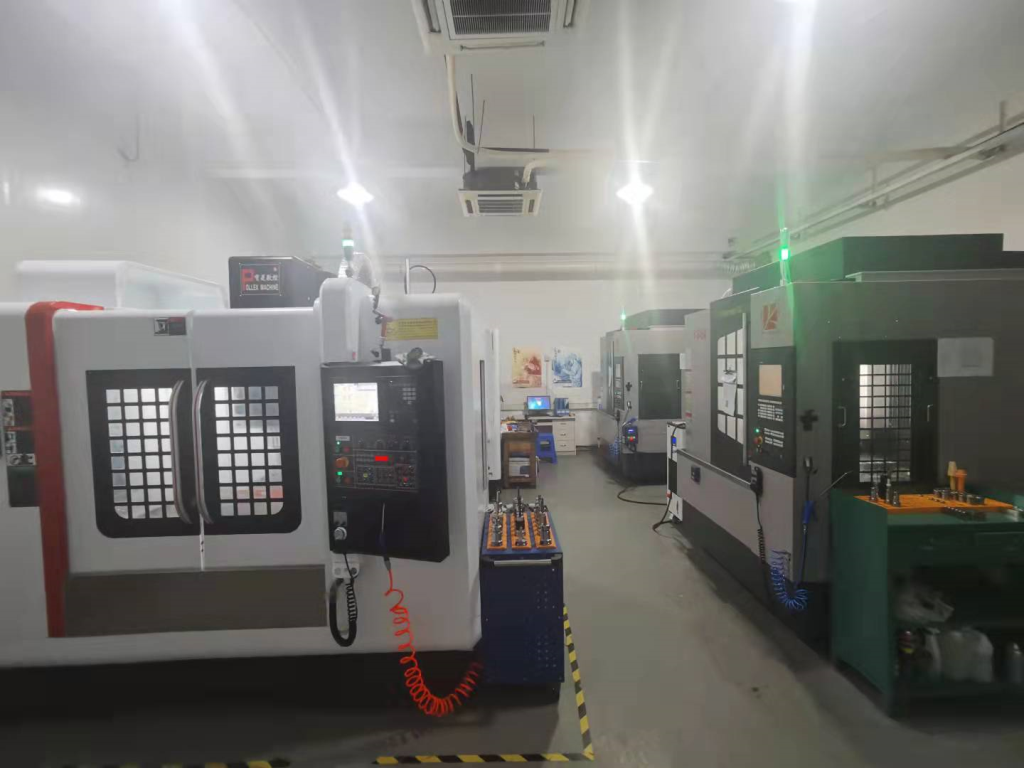
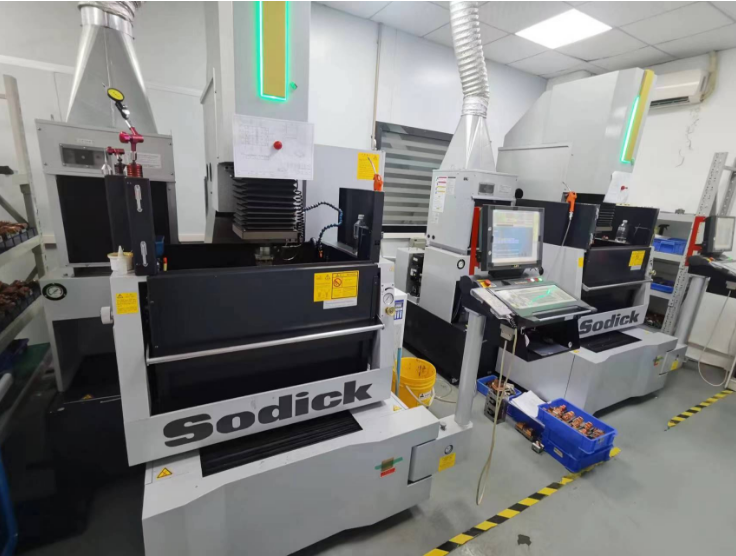
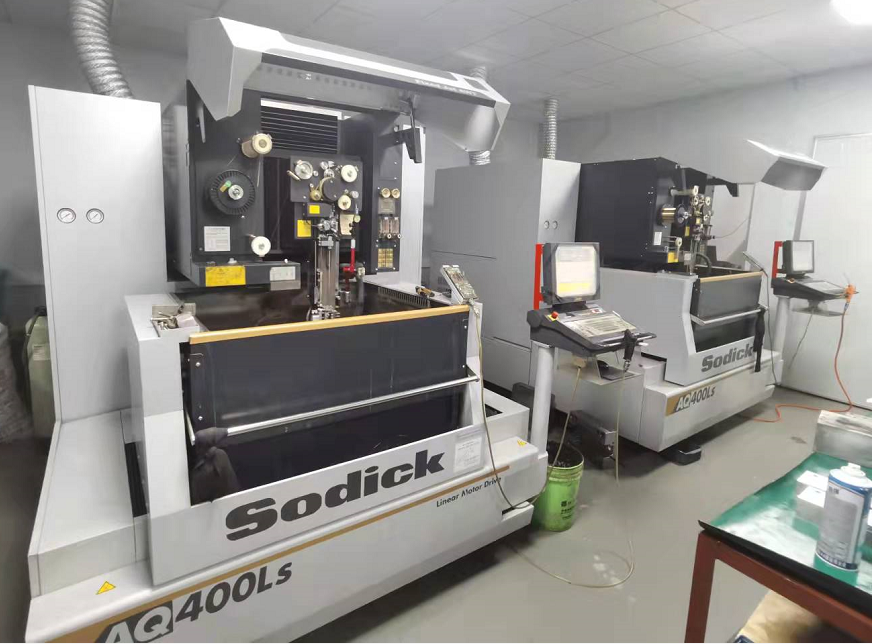
Different processes produce cavities, narrow features and fitting surfaces before assembly and trial moulding.
- 01
Tool steel and inserts
P20, 718H, NAK80, S136 and H13 are among the supplied material options; select by resin, finish and intended tool life.
- 02
Precision machining
CNC, EDM, wire cutting and grinding support different cavity and insert features.
- 03
Fit and trial
Check fit, cooling and ejection; use trial parts to identify adjustments before approval.
- 04
Inspection and handover
Agree the drawing revision, sample inspection, tool identification and maintenance information.
Moulded product examples
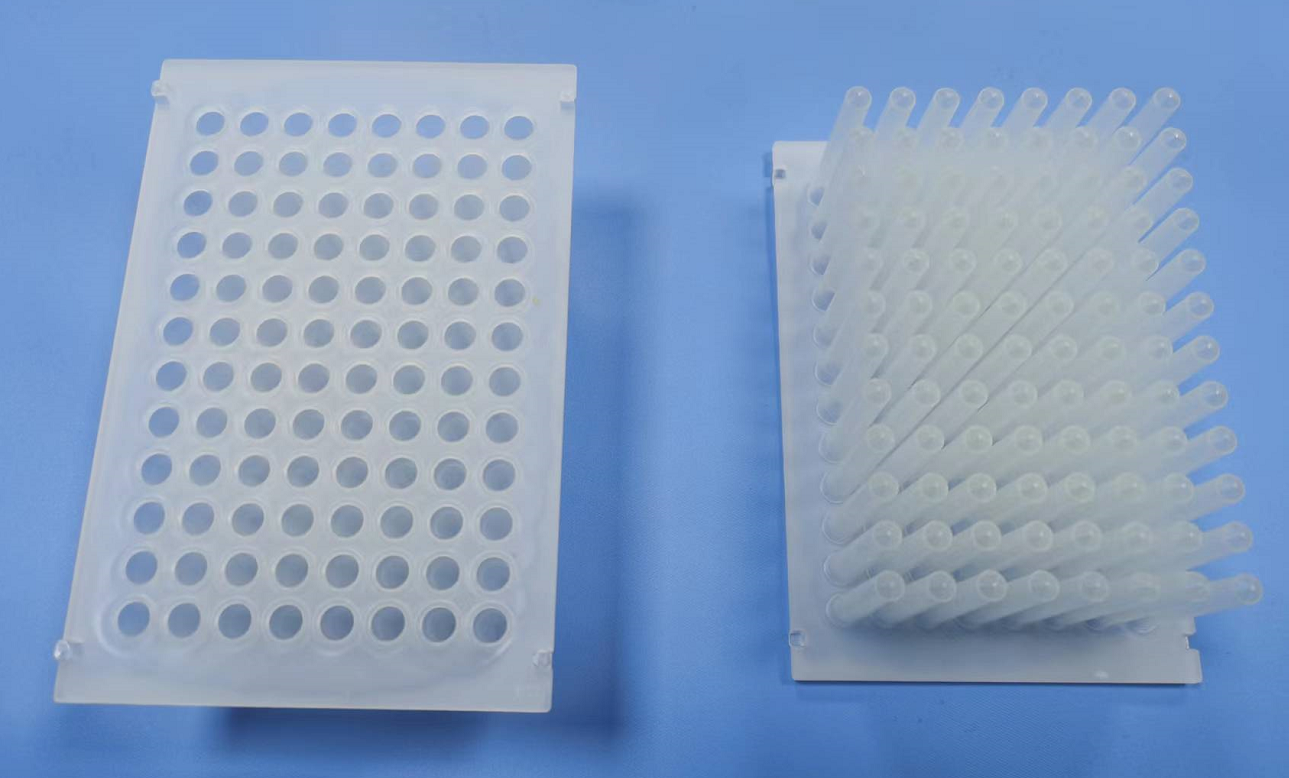
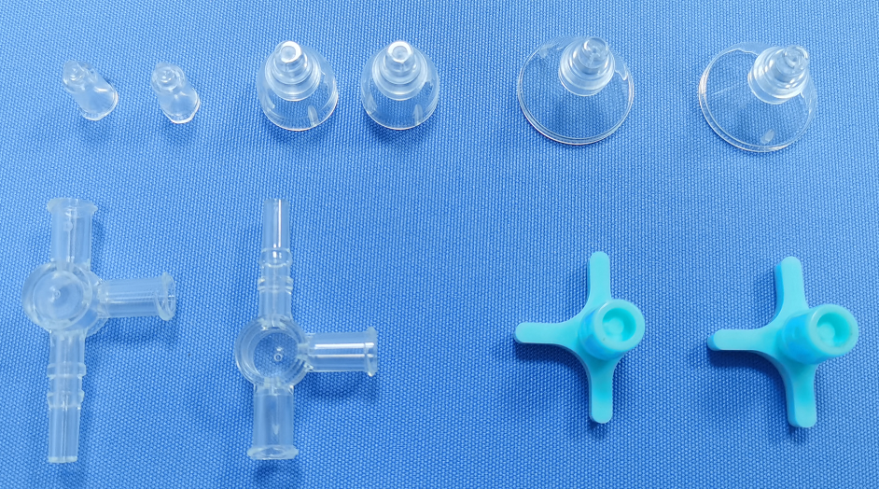
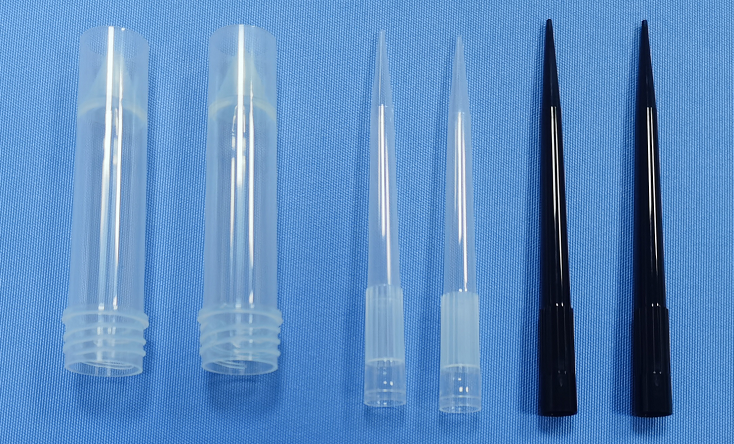
Deep-well plates, small precision components and slender moulded parts illustrate different geometry requirements.
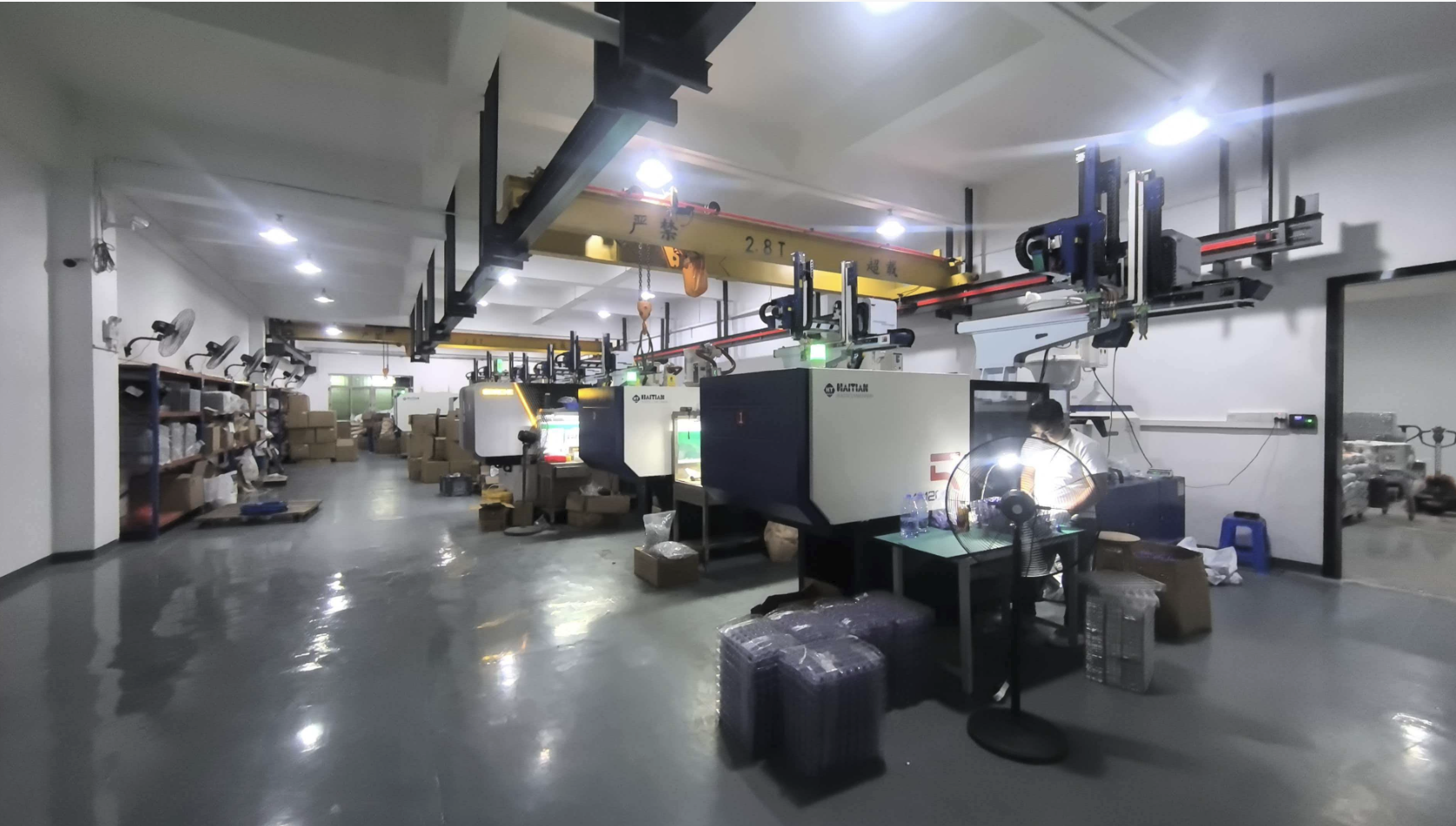
Mould development and injection production
Support the project through mould design, manufacture, trial parts and repeat production.
Project discussions can cover standard injection moulds, multi-cavity tools, insert moulding and two-shot moulds. Resin, part size, tooling construction and production quantity define the final solution.
Define the complete requirement
Use the drawing and assembly context to set the manufacturing and supply scope.
- Part requirements
- Part/model revision, target material, use and expected quantities.
- Design review
- Review tool type, parting or locating features, access and the intended production equipment.
- Trial & approval
- Agree the sample scope, review features and how revisions will be released.
- Delivery scope
- Define tool components, accepted sample, drawings and agreed inspection records.
Move forward with a shared baseline
Approval points depend on the actual part and project scope.
- 01
Drawings & context
Released model/drawing, target material and expected quantity.
- 02
Engineering review
Process access, interfaces, appearance and open questions.
- 03
Sample / trial
Agree approval features and record any changes before the next quantity.
- 04
Release & delivery
Confirm the revision, acceptance records and protective packing.
Review the finished assembly condition
Include dimensional references, appearance and the records needed at receiving.
- Functional features
- Identify locating/mating features, checking conditions and approval requirements.
- Appearance reference
- Specify visible faces, texture/colour references and permitted contact areas.
- Records & identification
- Agree part/tool identification, revision, quantity and delivery documentation.
Before you send your files
You can discuss NDA requirements before technical files.
What should I send for a quotation?
Provide the model/drawing, material, quantity, application and critical interfaces. Add assembly references when the part joins other components.
Can I begin with a sample or incomplete drawing?
Yes. Explain the known dimensions, function and available files so the review can identify what still needs definition before manufacture.
How is the final supply scope agreed?
Agree the included operations or tool components, sample approvals, inspection and records in the project quotation and confirmed order.