
01
CNC turning
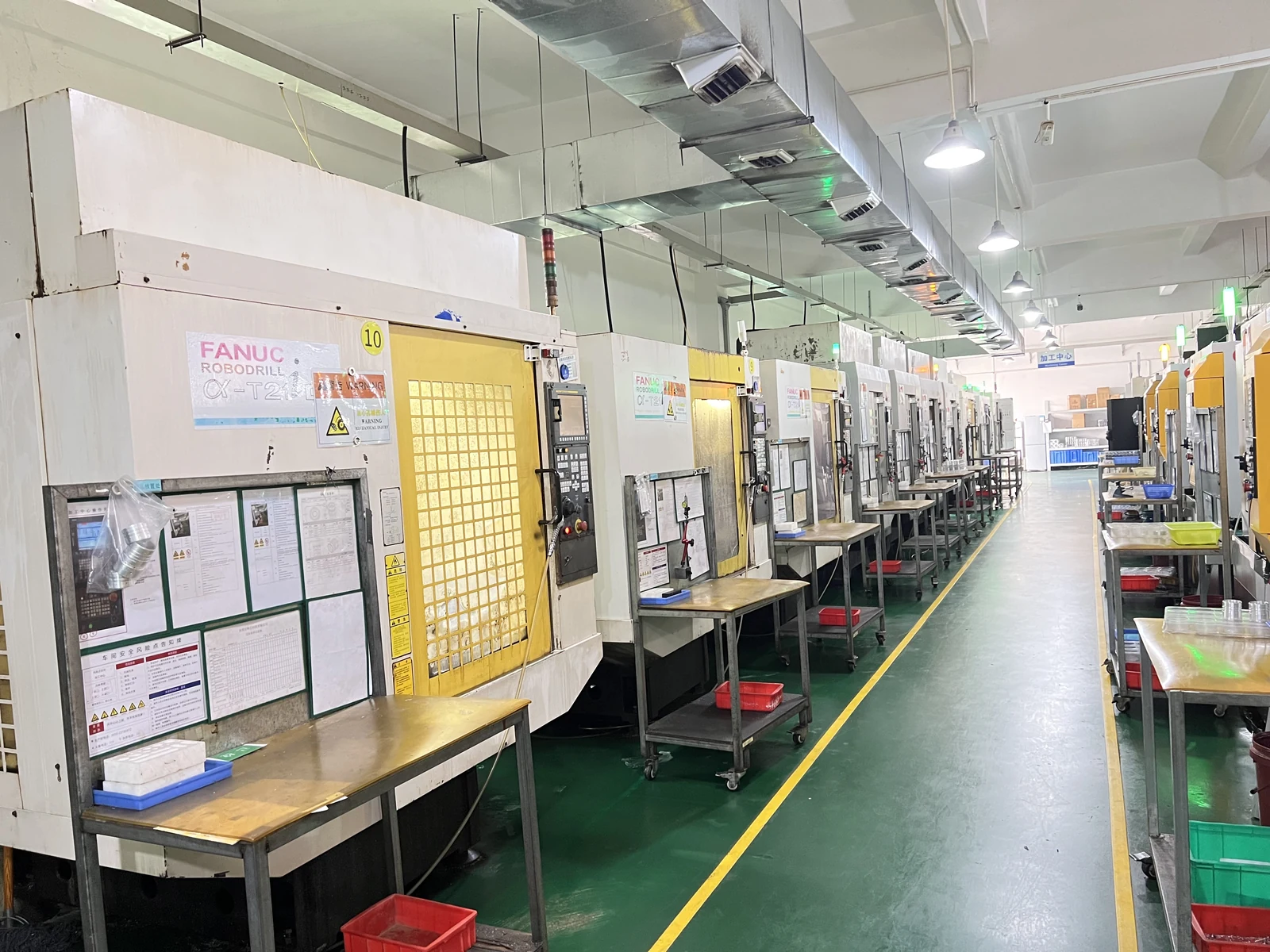
For parts defined mainly by rotational features. Plan outer diameters, bores, shoulders and threads around the functional axis and mating surfaces.
Review: concentric relationships, runout, surface finish and workholding length.
Custom machining for shafts, sleeves and components with threads, cross-holes or milled flats. Match the machining route to the geometry, material and assembly requirements.
Start with the finished geometry and functional interfaces. The final process depends on the drawing, material, stock and inspection requirements.
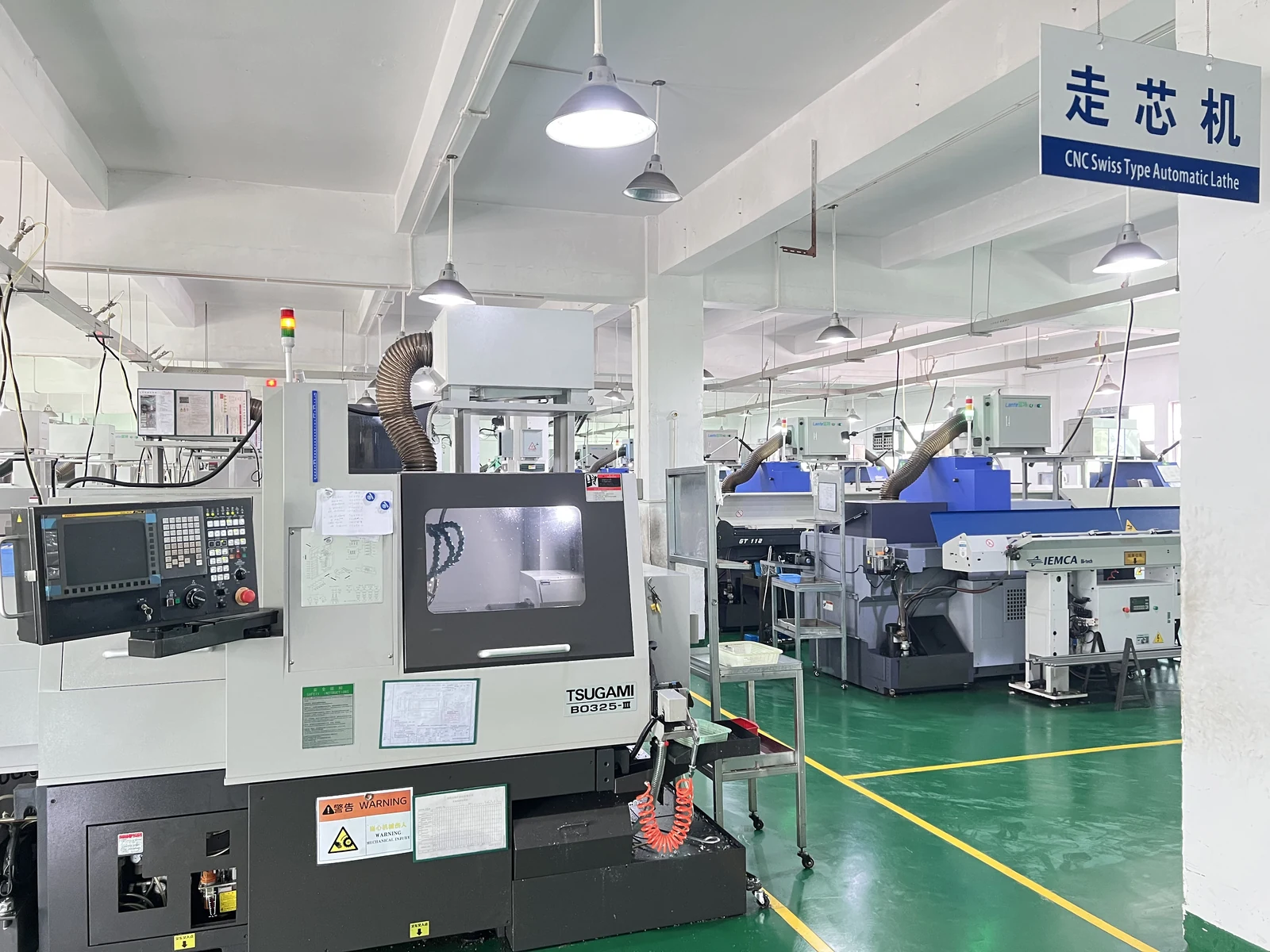
For parts defined mainly by rotational features. Plan outer diameters, bores, shoulders and threads around the functional axis and mating surfaces.
Review: concentric relationships, runout, surface finish and workholding length.
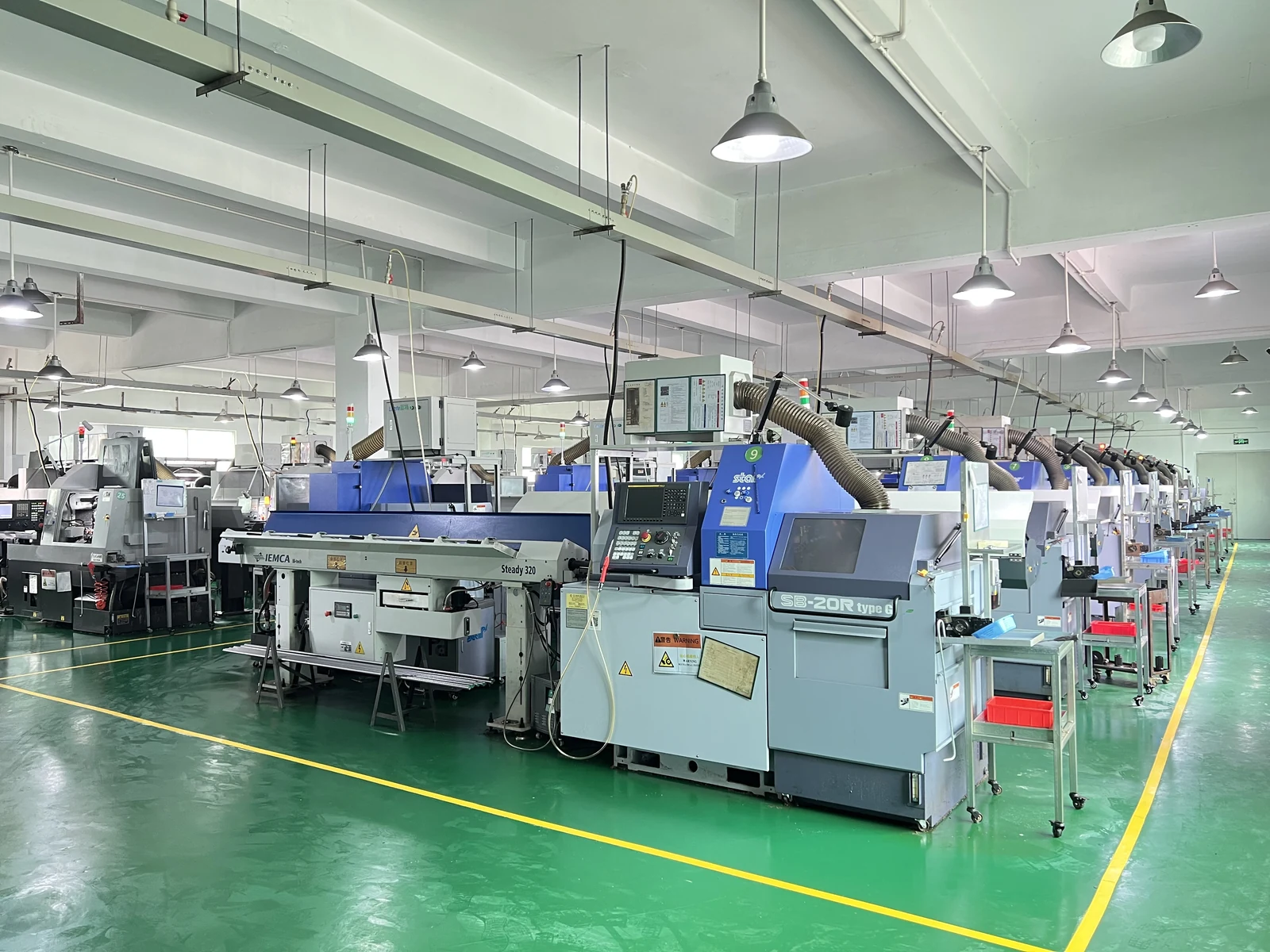
A sliding-headstock route for slender, small-diameter parts. Guide support near the cutting zone helps control deflection; bar preparation and feature sequence are reviewed together.
Review: diameter-to-length relationship, guide support, stock condition and part-off features.
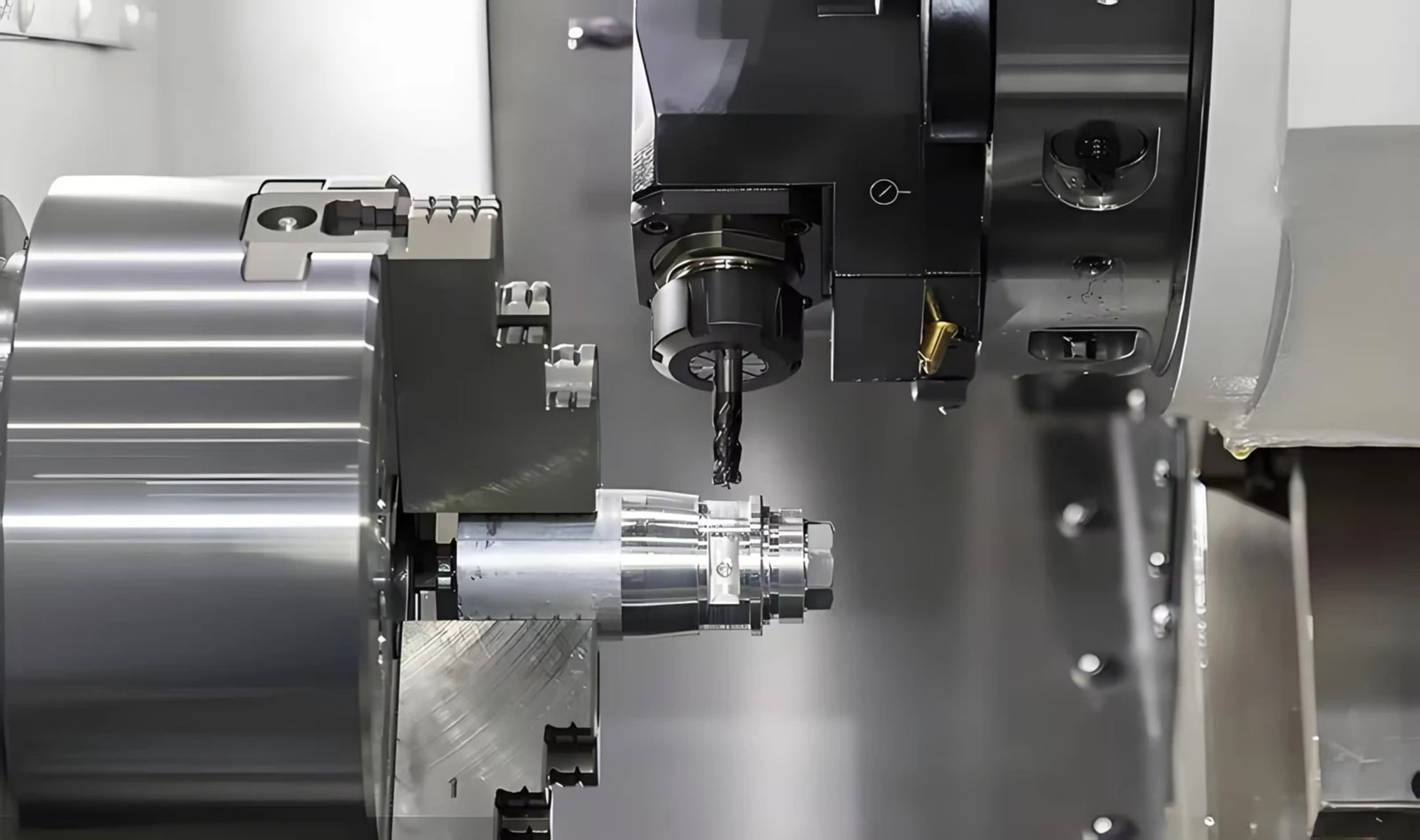
Combine turning with milling or drilling when a part has both rotational and off-axis features. Where the geometry permits, fewer re-clamping steps help retain the relationship between features.
Review: angular orientation, tool access, feature alignment and setup changes.
These common geometries help identify a suitable route; send the complete drawing for project-specific review.
Diameters, shoulders, grooves and mating lengths.
Diameter fits, axial dimensions and runout.
Inner and outer diameters, end faces and wall sections.
Bore-to-OD relationship, end-face squareness and clamping distortion.
Threads, sealing faces, shoulders and cross-holes.
Thread standard, effective length, sealing surface and burr control.
Cylindrical features with flats, slots or off-axis holes.
Angular position, datum alignment and feature-to-feature relationships.
Control the features that determine how the part locates, rotates, seals or connects. Inspection follows the agreed drawing and final surface condition.
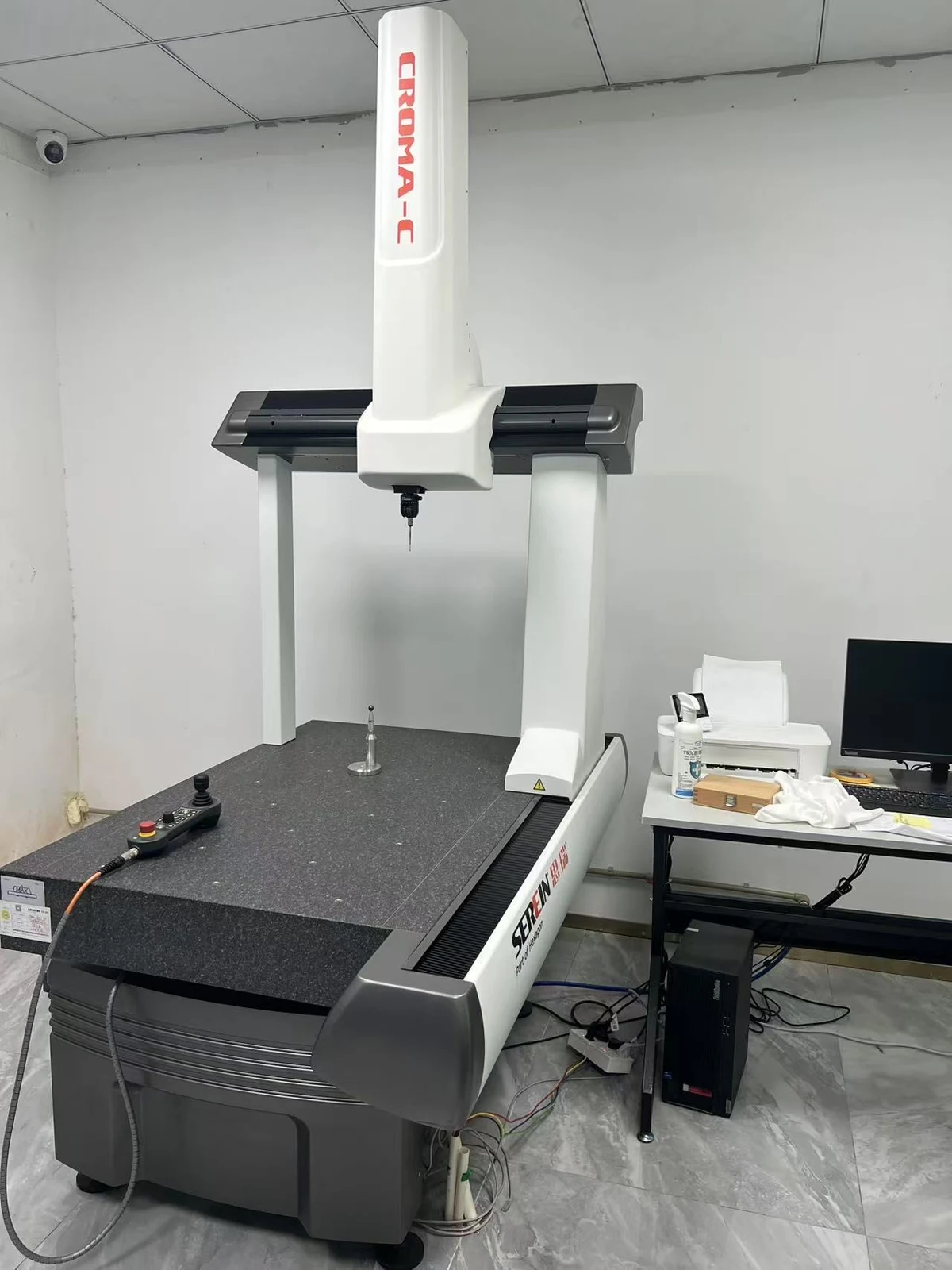
Machining dimensions, tolerances and delivery timing are confirmed against the actual part and process.
Agree revision, material, datums, fits and surface requirements.
Plan turning and milling tools, support, toolpaths and operation sequence.
Machine diameters, holes, threads and slots; coordinate deburring and finishing.
Check agreed features, protect threads and mating surfaces, then pack for delivery.
Start with diameter, length, rigidity and the combination of rotational and off-axis features. We review the route against the complete drawing rather than asking you to choose a machine.
That depends on access, support, datum requirements and machine configuration. Reducing re-clamping is a process objective, not a promise for every part.
Yes. Confirm first-piece inspection, drawing revision and approved features before arranging subsequent orders.
Send your drawing, material, quantity and required delivery date.