
Prototype evaluation
Evaluate fit, assembly access and the visible surface. Record any drawing changes before ordering the next stage.
Repeat manufacturing for housings, brackets and plates, with drawing revisions and inspection linked to each batch.
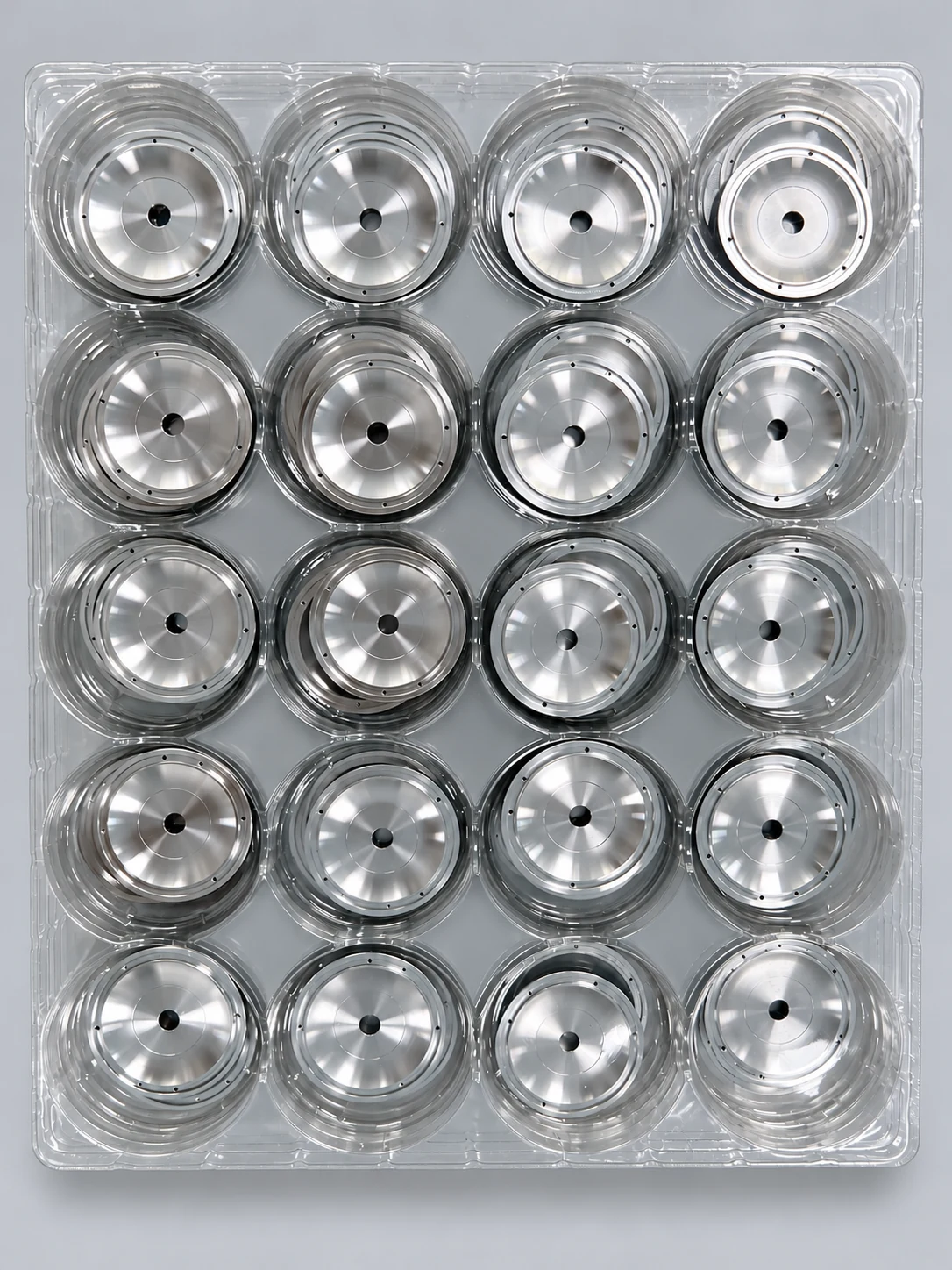
Each stage has a different purpose: prove the design, approve the first piece, then control repeat production against the same revision.
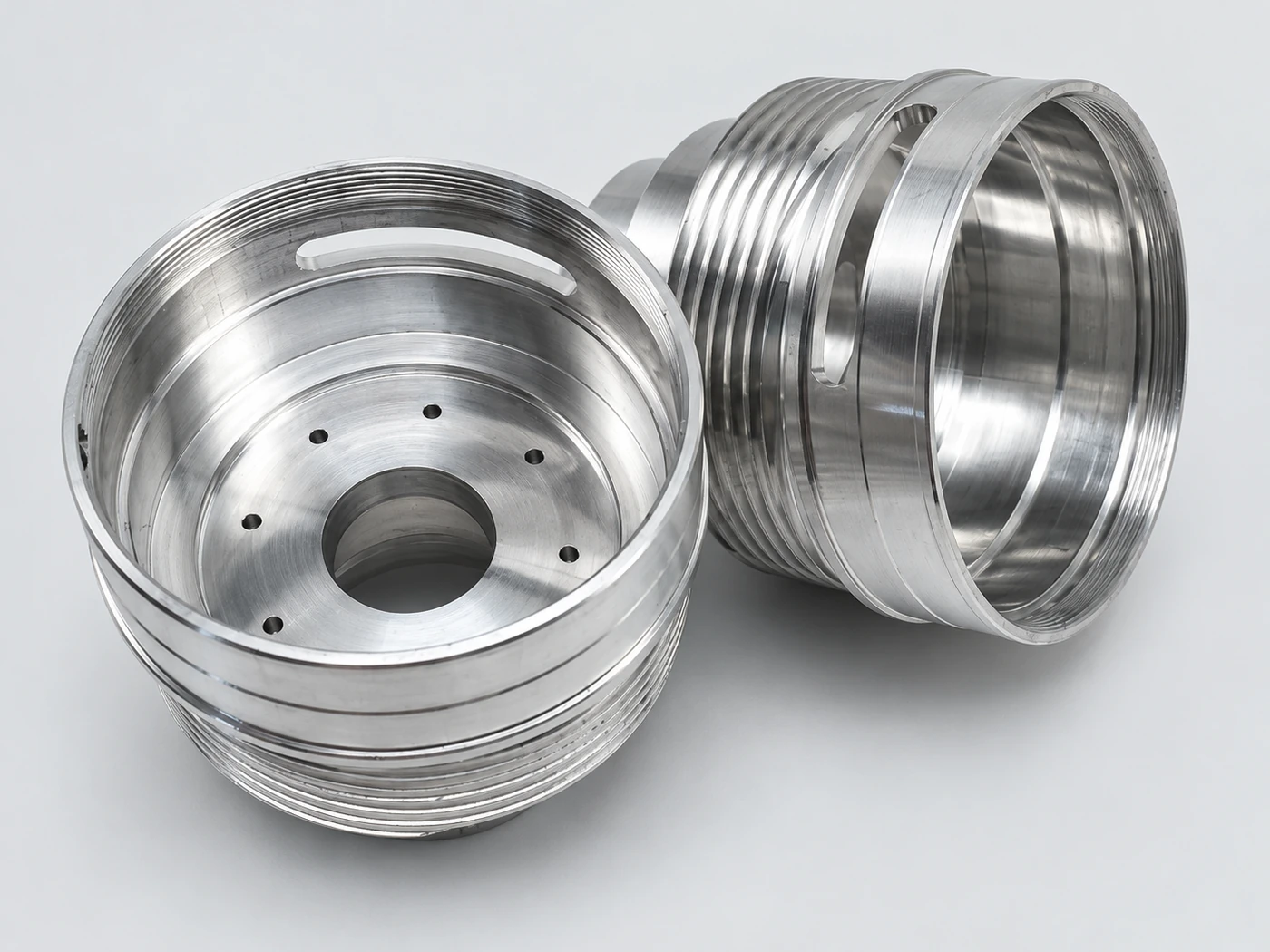
Evaluate fit, assembly access and the visible surface. Record any drawing changes before ordering the next stage.
Connect the approved sample to the drawing revision, material, finish and critical measurements.
Use a consistent part identity, inspection plan and packaging method. Agree split shipments when assembly schedules require them.
| Prototype | Agree the sample quantity and features to validate. |
|---|---|
| Production release | Confirm the drawing revision, first-piece approval and inspection plan. |
| Repeat delivery | Agree batch quantities, required dates and packaging before scheduling. |
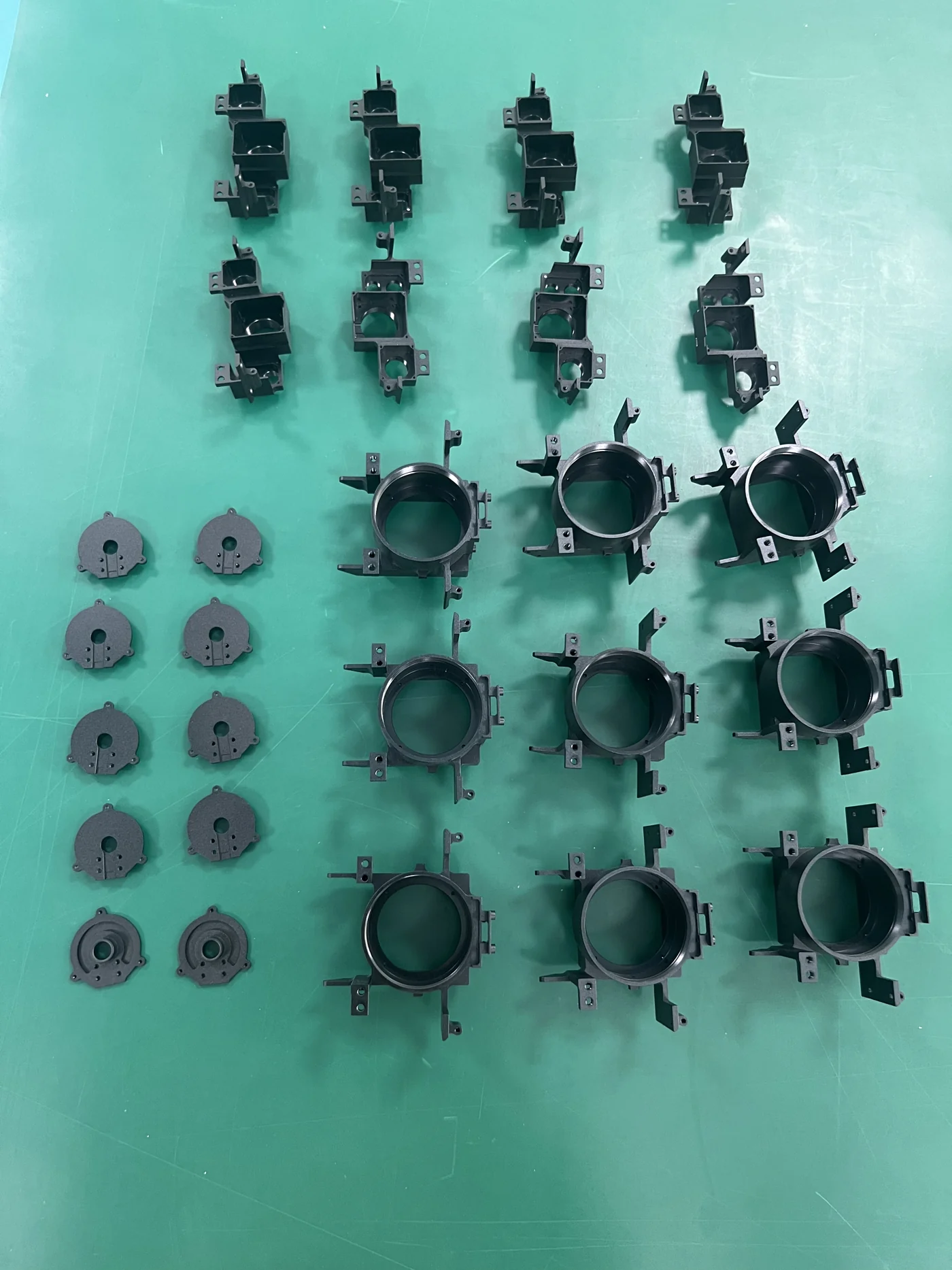
Connect the part number and approved revision to the delivery quantity. Agree any separate packing for revisions or delivery splits.
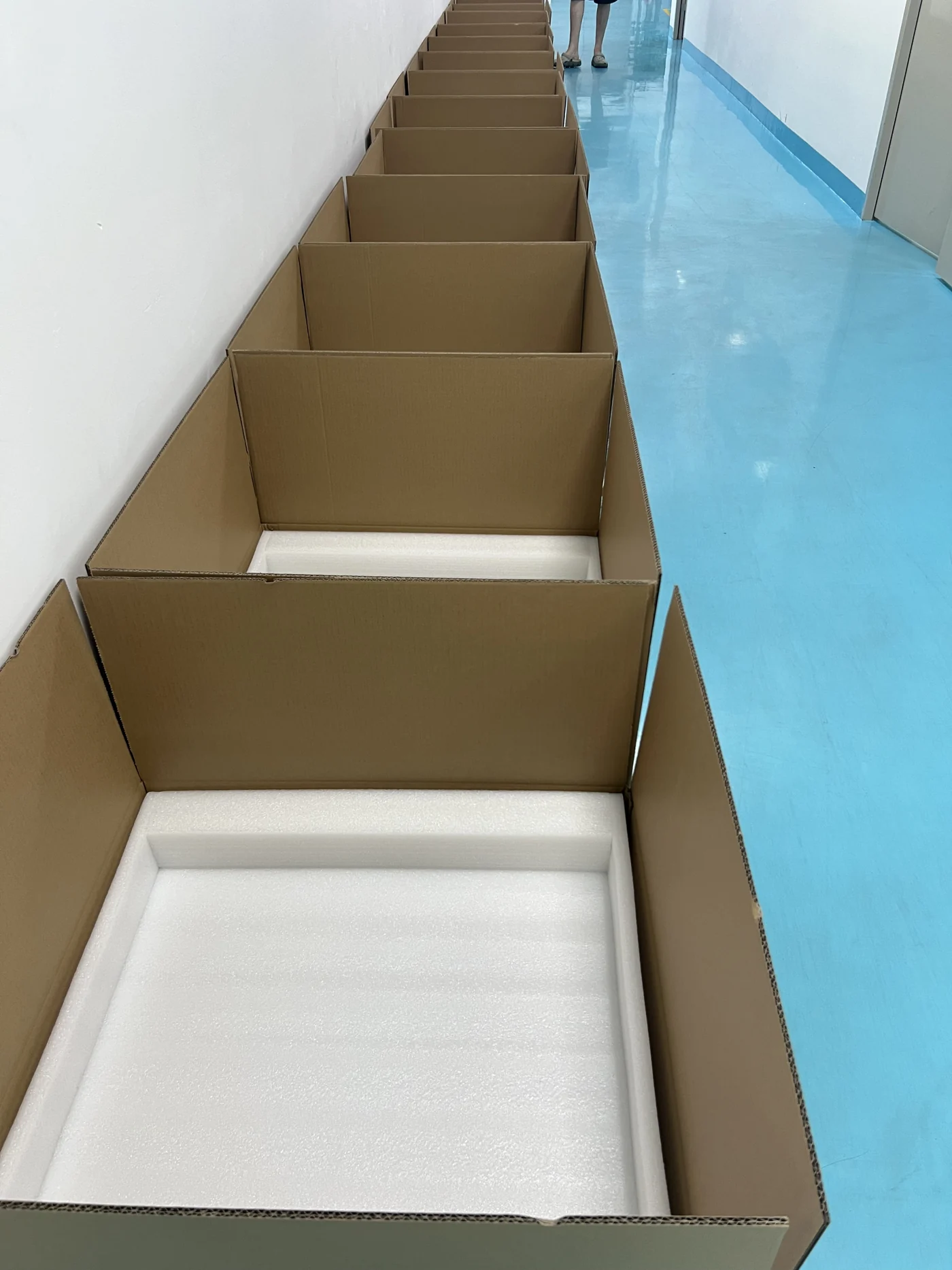
Select separation and support for the actual part. Keep machined interfaces and cosmetic surfaces from contacting each other.
Review housings, mounts and frames together when an assembly contains several custom components.
Include with your drawing: Internal layout, interface locations and designated cosmetic faces.
A repeatable order needs an agreed revision, acceptance method and batch identity as well as a good sample.
| Structural feature | Planning consideration | Drawing / acceptance input |
|---|---|---|
| Approved first piece | Confirm agreed features before releasing the following quantity. | First-piece quantity, approval owner and release criteria. |
| Drawing revision | Keep the model, drawing and approved changes associated with the order. | Part number, revision, change description and effective batch. |
| Inspection frequency | Agree which features receive first-piece, in-process or final checks. | Critical characteristics, sampling requirements and required records. |
| Split deliveries & identification | Separate quantities and revisions so receiving can identify the delivered batch. | Delivery split, package labels, part protection and record linkage. |
Select a stage to see its review input and confirmation points. The route is planned against the actual drawing.
Planning schematic · not measured geometry or a fixed cutting sequence
Use the initial samples to clarify fit, geometry, finish and open drawing questions. Record the changes that need approval.
Agree first-piece quantities, the feature list, measurement state and the party responsible for approval before later quantities proceed.
Confirm inspection frequency, quantity, finishing reference and any delivery splits for the accepted manufacturing route.
Check the new order against its approved baseline. A changed feature, material or finish needs review before applying it to a production batch.
Confirm the included operations, acceptance and supply stage so the quotation describes the part you actually need.
Clarify the requirements that are easily missed in a model alone.
Send the trial and anticipated repeat quantities together. The practical batch and setup cost depend on geometry, material and finishing.
Identify the required revision on each order. Confirm any changes rather than relying on the file name or the previous shipment.
Discuss release quantities and required dates before scheduling, including whether first-piece approval must precede the remaining batch.
Send your drawing, material, quantity and required delivery date.